back to projects
/
Interactive Horror Environment Prototype
Interactive Horror Environment Prototype Hero
// Project Definition
Project:Interactive Horror Environment Prototype
Year:2025
Type:Environment & Interaction Prototype
Role:Solo Developer (Environment Art, Interaction Systems, Audio)
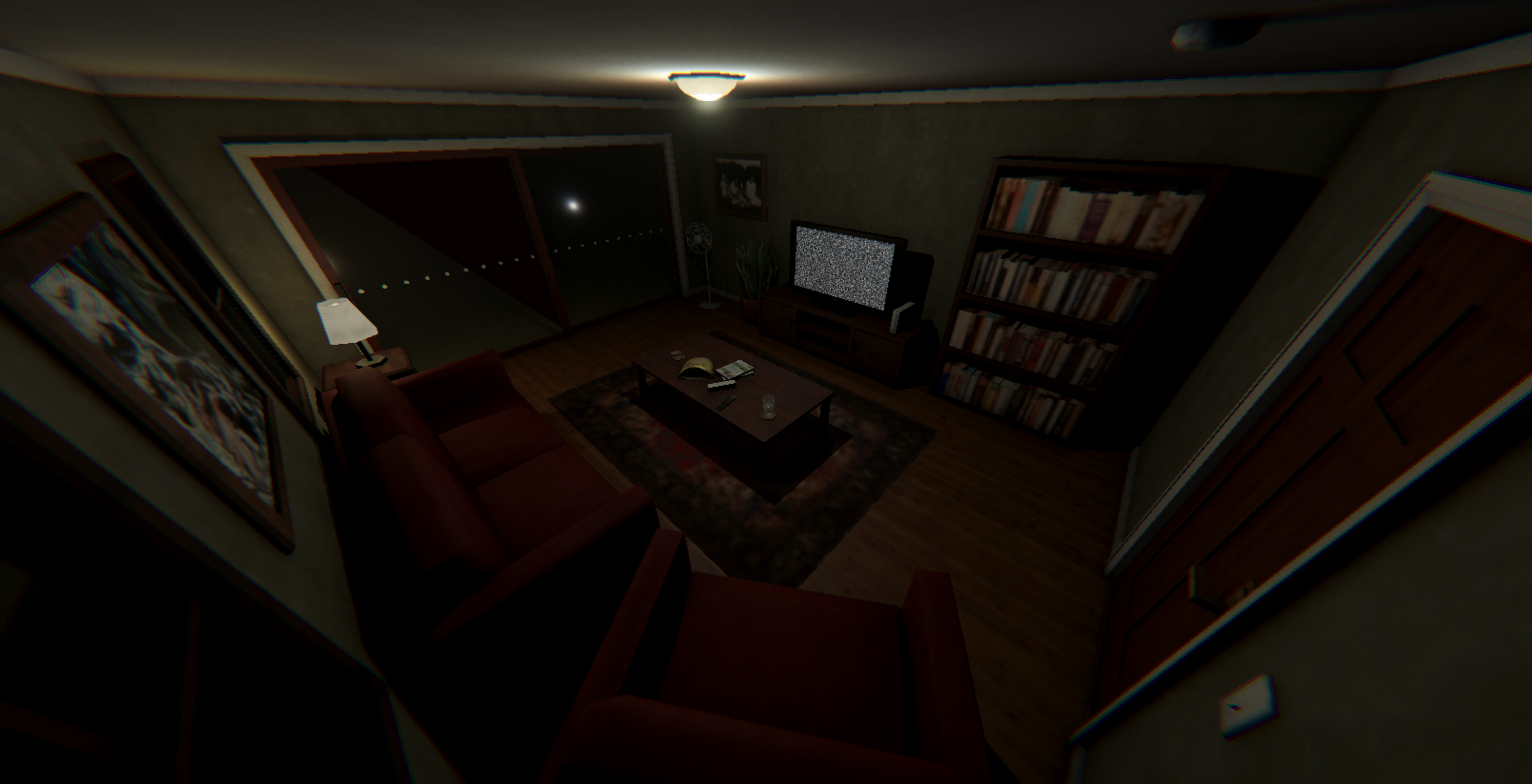
Description:A first-person interactive environment prototype set in a semi-modern early 2000s residential home. The project explores environmental storytelling, interactive props, and immersive audio feedback within a horror-themed domestic space.
Tech:
UnityC#BlenderAnimation

Focus: Building a believable, interactive horror environment through detailed props, responsive interactions, and audio-driven immersion rather than scripted gameplay.

Implemented Systems & Features
Interactive Domestic Props

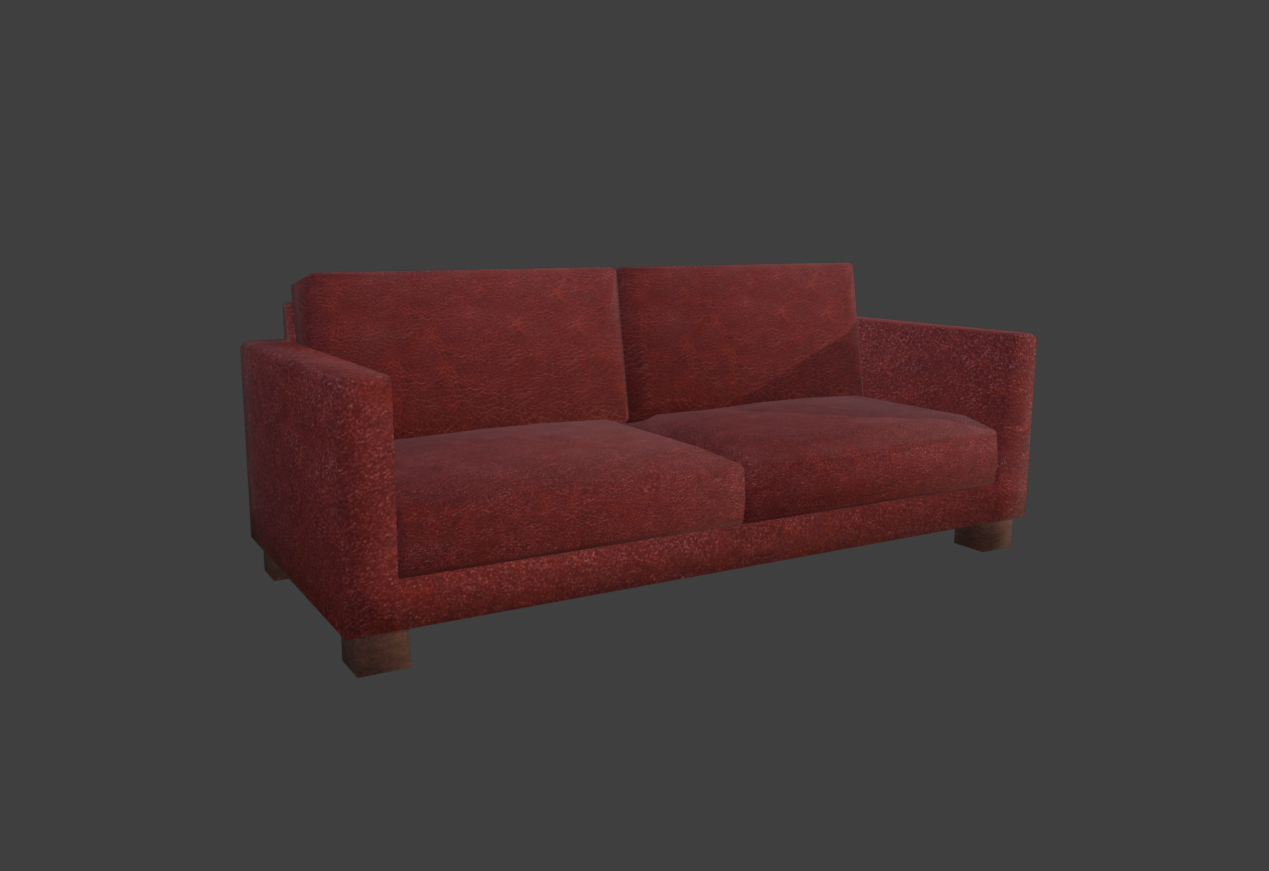
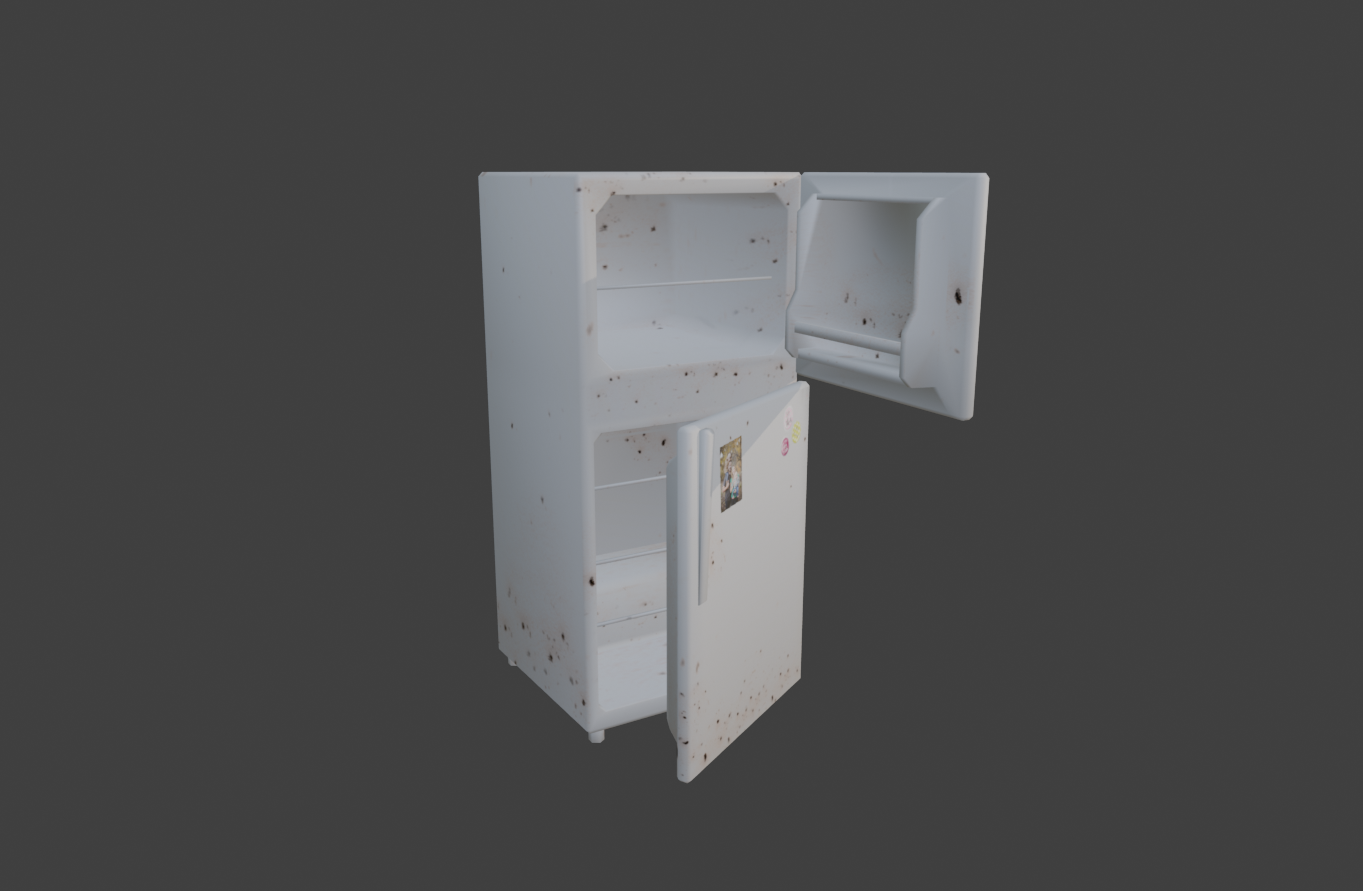
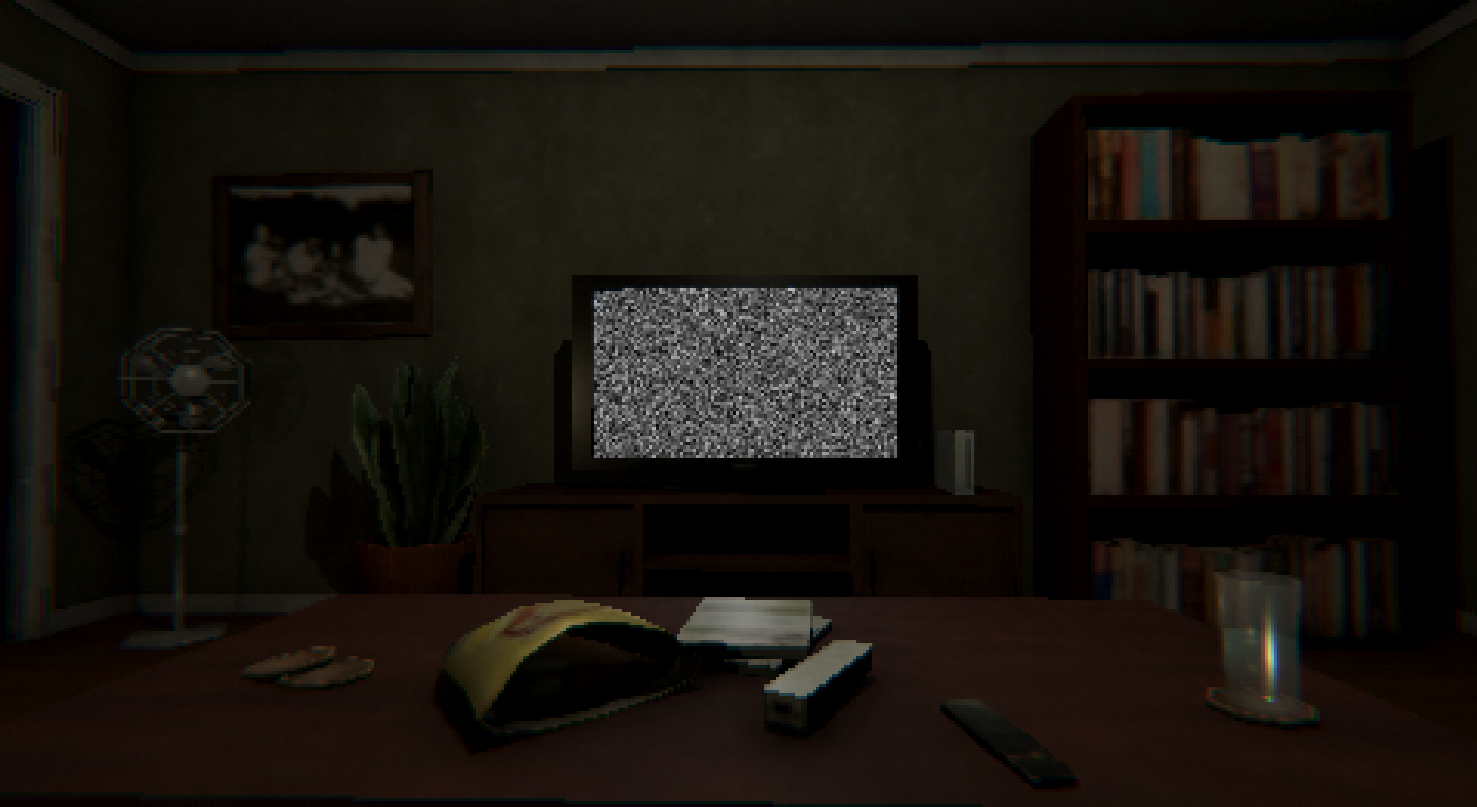
Implemented a range of interactive household objects including a television, game console, fan, light switches, fridge, doors, and seating. Each interaction includes animation and audio feedback to reinforce presence.

First-Person Player Controller

Built and integrated a first-person controller tailored for slow-paced exploration, allowing players to freely navigate the environment and interact with props in a natural, grounded way.

Environmental Horror Tone

Environmental Horror Tone

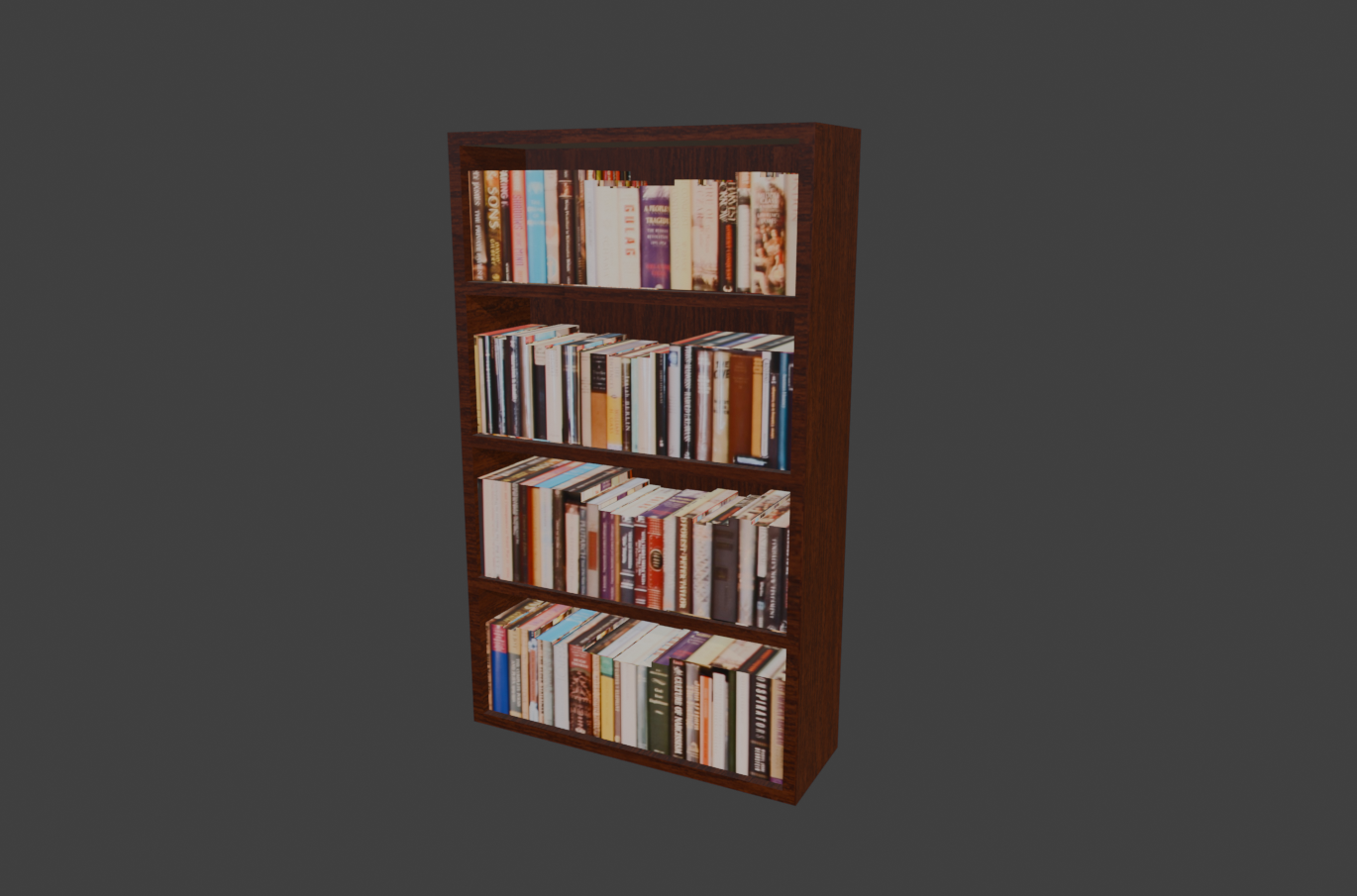
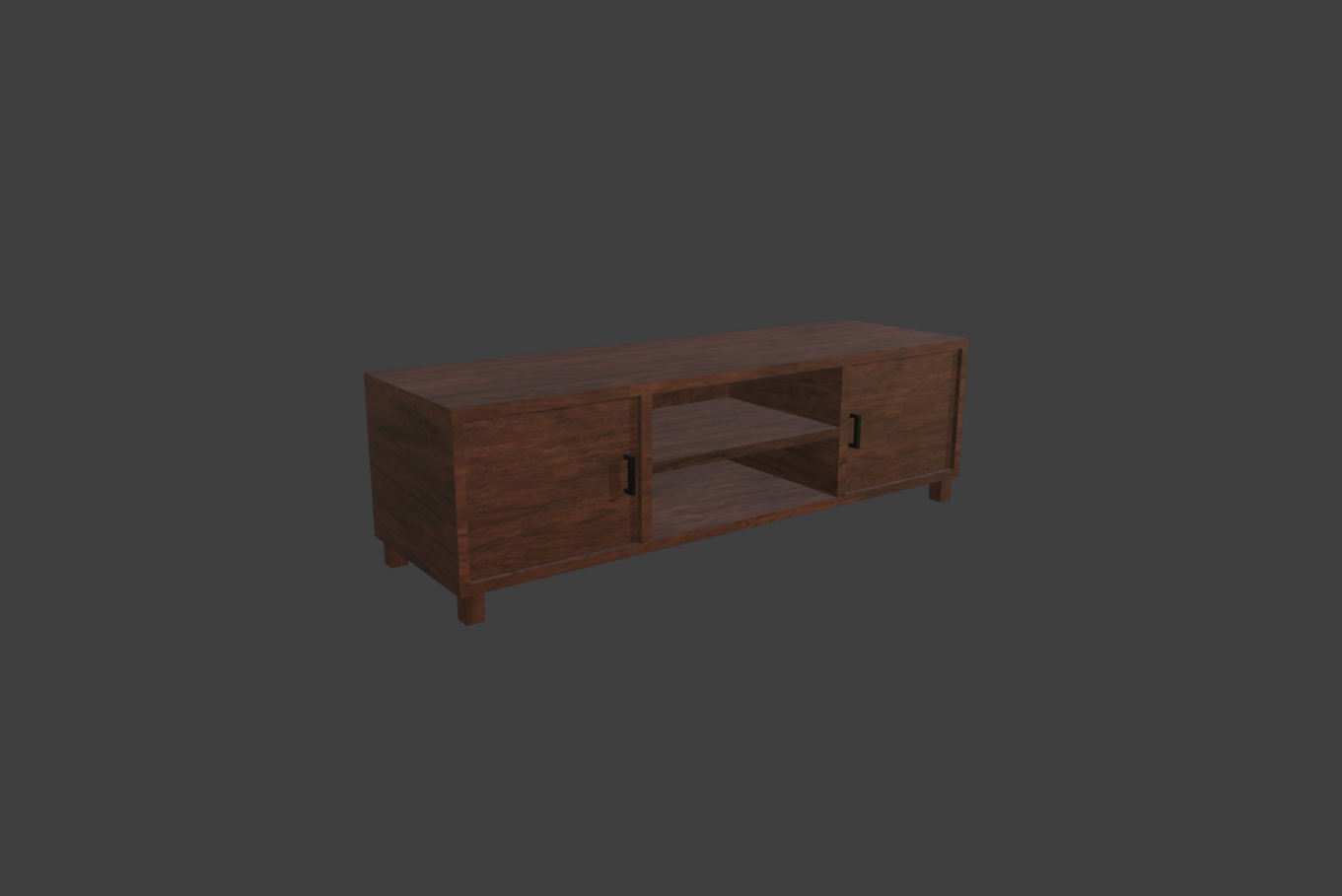
Designed a semi-modern early 2000s home environment with lighting, sound, and prop placement intended to evoke unease through familiarity rather than overt horror elements.

Door & Access Systems

Created interactive doors with locking mechanisms and key-based access, laying the foundation for tension-driven environmental progression common in horror games.

Audio & Atmosphere

Audio plays a central role in this prototype. Ambient sounds, prop audio cues, and surface-based footsteps work together to make the environment feel reactive and alive. The focus was on subtle, grounded feedback rather than jump scares, allowing tension to emerge naturally through player movement and interaction.

YouTube gameplay embed placeholder

Development Insights

Key Learnings

  • Designing believable environments through small interactive details
  • Using audio feedback to reinforce immersion and player presence
  • Structuring interactive props for scalability across environments
  • Recognising the importance of a clear gameplay loop before expanding scope

Project Status

  • Developed as an environment and interaction prototype
  • No longer in active development
  • Focused exploration into interactive environments and atmospheric horror design
  • Not intended as a complete game experience